

Parenting a Child with Mental Health Difficulties
Watching your child struggle is one of the hardest things a parent can go through. You may feel worried, helpless, frightened or unsure whether what you are seeing is a phase or something more. You may be wondering what you did wrong, how to help, or where to turn.
You are not alone, and you have not failed. Mental health difficulties in children and young people are common, and with the right understanding and support, things can improve.
At West Hampstead Child & Young Person Clinic, we support children, teenagers and young adults up to age 25, and the parents and carers who love them. Our approach is built on kindness, compassion, validation and genuine care.
Providing Support, Understanding and Practical Guidance for Parents and Carers
Recognising When Your Child May Be Struggling
All children have ups and downs, and growing up involves big feelings. It may be time to seek support when changes are lasting, getting worse, or getting in the way of everyday life. Signs to look out for include:
Changes in mood. Persistent sadness, irritability, anger, tearfulness or seeming flat or numb.
Worry and fear. Constant worrying, panic, avoiding places or situations, or needing a lot of reassurance.
Withdrawal. Pulling away from family and friends, or giving up activities they used to enjoy.
Changes in sleep or eating. Sleeping much more or less than usual, or noticeable changes in appetite or relationship with food.
School difficulties. Falling behind, struggling to concentrate, headaches or stomach aches before school, or refusing to go.
Changes in behaviour. Outbursts, risk-taking, hiding things or being unusually secretive.
Physical symptoms. Frequent tiredness, aches or pains with no clear medical cause.
Talking about hopelessness, self-harm, or not wanting to be alive. Always take this seriously (see our section on urgent help below).
Common difficulties we support
Children and young people may experience anxiety, low mood and depression, panic, OCD, trauma and the effects of difficult life events, self-harm, difficulties with eating, anger and behaviour, school refusal, difficulties with friendships and identity, and the impact of bereavement, family separation or change. Mental health difficulties can also occur alongside neurodevelopmental differences such as autism and ADHD, and can look different in neurodivergent children.
You do not need to know what is wrong, or to have a name for it, before asking for help.
Meet The Team Who Can Help
-

Julien
Dr Julien Edwards, Clinical Psychologist
-
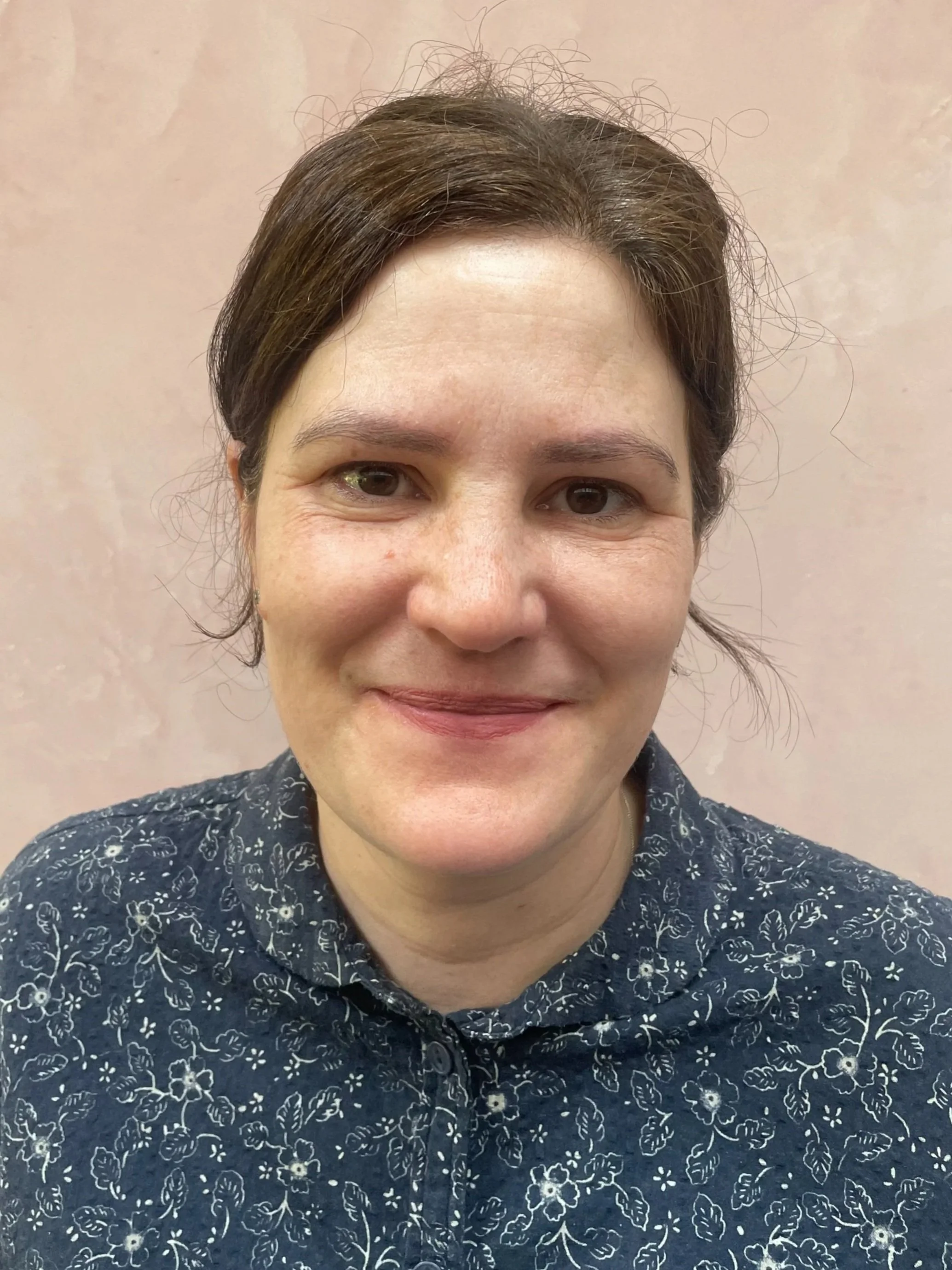
Natalie
Natalie Turner, Psychotherapist & Family Therapist
How To Talk To Your Child
Starting the conversation can feel daunting. You do not need the perfect words. What matters most is that your child feels safe, listened to and not judged.
Choose your moment. Many children find it easier to talk side by side, such as in the car, on a walk or while doing something together, than face to face.
Start gently. You might say, "I have noticed you seem to have had a hard time lately. I would like to understand, and I am here whenever you are ready."
Accept their feelings. Avoid dismissing or minimising them, such as saying, "You've got nothing to worry about." Feelings can be real even when they do not seem to make sense to you.
Listen more than you talk. Try not to interrupt, fix, or jump to solutions. Reflecting back what you hear, such as "That sounds really hard", shows that you have understood.
Do not force it. If your child does not want to talk, let them know that the door is open. Some children find it easier to write, message or draw, or to talk to another trusted adult.
Ask directly about safety if you are worried. Asking about self-harm or suicidal thoughts does not put the idea into a child's head. It can be a relief to be asked, and it opens the door to getting help.
Stay calm, even if what you hear is frightening. Thank your child for telling you, and let them know that you will find help together.
Follow up. One conversation is rarely enough. Check in regularly, in small, low-pressure ways.
Book a free, informal 15 minute consultation today to see if this the right thing for you. If it’s not, we’ll point you in the right direction.
Looking After Yourself
When your child is unwell, it is easy to put your own needs last. But you cannot pour from an empty cup, and your well-being matters too.
Let go of guilt. Mental health difficulties are not caused by one thing, and they are not caused by bad parenting. Blaming yourself does not help you or your child.
Accept your own feelings. Fear, sadness, anger, exhaustion and even resentment are normal responses to a very hard situation.
Share the load. Let trusted friends and family help, and tell them what would be useful.
Find people who understand. Parent support groups and helplines can ease the isolation.
Make time to rest. Even small breaks, such as a walk, a bath or a quiet cup of tea, can help.
Think about your other children. Siblings may feel worried, left out or confused. Include them in age-appropriate ways and make time for them too.
Get support for yourself. If you are struggling with low mood, anxiety or sleep, speak to your GP or get in touch with us.
Reaching out for help for your child, and for yourself, is a sign of strength and care.
Parental Appointments & Fees
Standard appointments with a Psychotherapist are £130 and last up to 50 minutes in length.
Standard appointments with a Psychologist are £150 and last up to 50 minutes in length.
Sessions, both online and in-clinic, are available.
Getting Help
There are several routes to support, and many families use more than one.
Your GP. A good first step. Your GP can check for physical causes, talk through options and refer to NHS children's mental health services (CAMHS).
School. Talk to your child's form tutor, pastoral lead, SENCo or school counsellor. Schools can make adjustments and sometimes offer in-school support.
NHS services. CAMHS and local support teams can offer assessment and treatment, though waiting times can be long.
Private specialist support. Where you want to be seen sooner, or want a specific kind of support, a private clinic can provide assessment and therapy.
Frequently Asked Questions
-
It may be more than a phase if changes last for weeks, are getting worse, or are affecting sleep, school, friendships or family life. If you are unsure, trust your instinct and ask for advice.
-
Yes. Many parents start with a parent-only appointment, to talk through their worries, get guidance and decide on next steps. This is often a good first step if your child is reluctant to attend, or if you want to understand your options before involving them.
-
No. You can contact us directly and book a free 15-minute consultation. If you have reports or letters from school, your GP or another professional, you are welcome to share them with us.
-
It is an informal chat, with no pressure and no obligation. You tell us what is happening, we ask a few questions, and we recommend the clinician and type of appointment best suited to your family. You do not need to know in advance which service you need.
-
Your clinician will take time to listen to you and, where appropriate, your child, and to understand your family's circumstances and what you would like to change. At the end, you will agree on next steps together, which may be therapy, further assessment, parent support or onward referral.
-
This depends on your child's age and what feels right for your family. It might be you on your own, both parents or carers, or the whole family. We will talk it through with you when you book.
-
Yes. We encourage everyone who plays an important part in your child's life to be involved wherever possible, in person or online. Please let us know at booking if you have particular circumstances we should be aware of.
-
We will explain confidentiality to you and your child at the start. Children and young people usually need some privacy to speak openly, so we will agree with them what is shared with you, and we will always share information when there are concerns about their safety.
-
The length and number of sessions depend on your child's needs and the type of support. Your clinician will talk this through with you and review progress with you regularly, so you always know where you are.
-
Yes. We offer in-person appointments in West Hampstead and online appointments, and some families use a mix of both.
-
We are at Ground Floor, Unit 8 Hampstead West, 224 Iverson Road, London NW6 2HL. The clinic is accessible by Underground, Overground and Thameslink, and by local buses (139, C11 and 328). There are metered parking spaces nearby, and parking is free on Saturdays.
-
Monday to Friday, 9am to 6pm, and Saturdays, 10am to 4pm.
-
Fees depend on the clinician and the type of appointment. We will confirm the cost with you before you book. If you have private medical insurance, please ask us when you get in touch.
-
Please contact us as soon as you can. You can find our policies in our Terms & Conditions.
-
Yes. We support children, teenagers and young adults up to age 25.
If you are worried about safety right now
West Hampstead Clinic is not an emergency or crisis service. If your child has said or done something that makes you fear for their safety, please act straight away.
If there is immediate danger, or your child has harmed themselves and needs medical attention, call 999 or go to your nearest A&E.
For urgent mental health help, call NHS 111 and choose the mental health option, or contact your GP.
To talk to someone now, you can call Samaritans on 116 123, free at any time.
Young people can text SHOUT to 85258 for free, confidential, 24/7 support, or call Childline on 0800 1111.
Parents and carers can call the YoungMinds Parents Helpline on 0808 802 5544 for advice and support.
Stay with your child if you can, stay calm, and let them know that you are there and that you want to help. You do not have to wait for an appointment to ask for help, and reaching out is always the right thing to do.
Ready to talk?
Book a Free 15-Minute Consultation
Call: +44 7706 192412
Email: info@westhampsteadclinic.com
Where we are: Ground Floor, Unit 8 Hampstead West, 224 Iverson Road, London NW6 2HL. Online appointments are also available.
Opening hours: Monday to Friday 9am to 6pm, Saturday 10am to 4pm.