

Specialist Autism Assessments for Children, Teenagers and Young Adults in London
Gold Standard Autism Assessments for Children, Young People & Over 18’s
We provide specialist autism assessments for children, teenagers and young adults at our clinic in West Hampstead, North West London, NW6.
We only offer Private Gold Standard Assessments following National Institute for Clinical Excellence (NICE) and the Royal College of Psychiatrist Guidance and Standards. Our expert clinicians collect information from a variety of sources using a variety of clinical methods and are able to consider different clinical possibilities for you or your child’s challenges.
We are committed to providing thorough, high-quality assessments. Our multidisciplinary approach means that every assessment is carried out by two experienced clinicians from different professional backgrounds, with at least one assessor being a Psychiatrist or Clinical Psychologist. This allows us to consider a range of possible explanations for the difficulties you or your child may be experiencing and provide a balanced, clinically informed assessment.
Autism Assessment Process & Fees
Autism assessments here at the clinic are £2,200 and are inclusive of the following:
-
We will send you and your child’s school key specialist Social Communication measures before your meeting and the Lead Clinician will review these before you meet.
-
Either on the day or prior online, the Lead Clinician will meet you and your child together.
-
The Lead Clinician will meet the parents to take an extensive developmental and social communication history.
-
Whilst the parents are meeting the Lead Clinician, the child/young person will be doing the Autism Diagnostic Observation Schedule with another Senior Clinician from a different professional background.
-
The team will review and consider all the information that has been collected including from school, from home and from the young person using the variety of data collection methods. The information will be compared to clinical thresholds from DSM-5 and ICD-11.
-
At the end of the assessment period, your Lead Clinician will put the information together and provide a diagnosis if appropriate. He or she will share any recommendations that they may have. Together, you will agree together a Plan to take forward.
-
You will receive a detailed Report with Recommendations.
(Expandable Sections, press + for more information)
Our current wait times are approximately 3-4 weeks for Autism Assessment.
We proudly tailor our assessments to the individual. If you are interested in adding an ADHD and/or Educational Psychology assessment, please get in touch with us, or visit our Neurodevelopmental Assessments page to find out more.
We accept WPA and Aviva insurance for Autism assessments. Please contact your insurer first to check whether the assessment is covered under your policy and whether this benefit applies to you.


Who Provides Autism Assessments?
-

Dr Julien Edwards
Clinical Psychologist
Professional Doctorate in Clinical Psychology
HPCP Registered: PLY28803
+10 Years Post-Qualifying NHS Experience
Further specialist training in Autism Assessment tools, ACT, CBT, DBT, NVR
-

Dr Ayesha Sadozai
Clinical Psychologist
PhD in Neurodevelopmental Conditions
HCPC Registered: PYL043128
10+ Years of Neurodevelopmental Experience
Further specialist training in Autism Assessment tools, and versed in techniques such as TF-CBT, CBT and ACT
-

Ali Cutler
Speech & Language Therapist
MSc in Speech & Language Therapy
HCPC Registered: SL09078
20+ Years’ Experience in NHS Autism Assessment Service
Further specialist training in ADOS-2 and ADI-R autism assessment tools
-
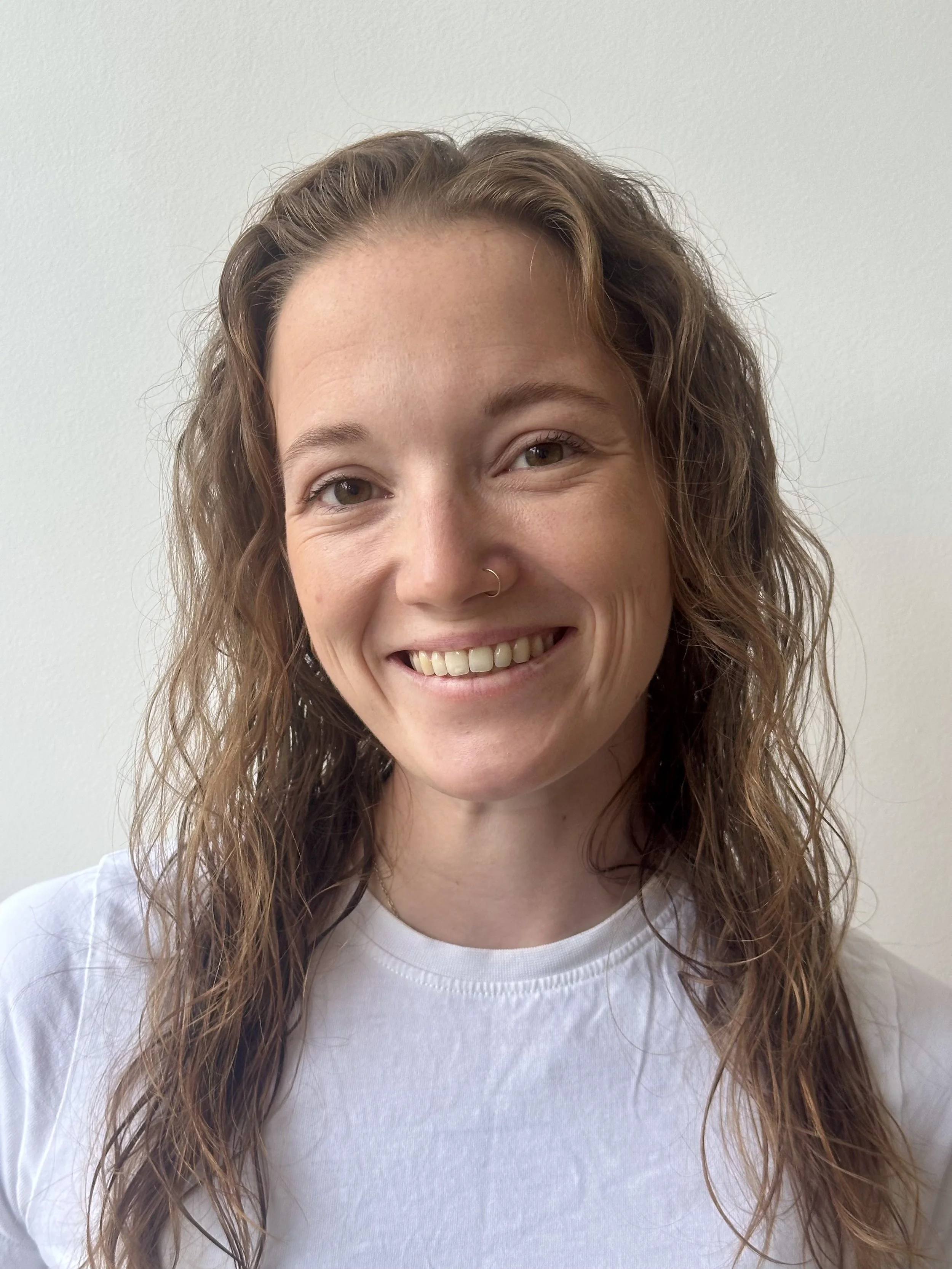
Gemma Capewell
Occupational Therapist
MSc in Speech & Language Therapy
HCPC Registered: OT79276
20+ Years’ Experience in NHS Autism Assessment Service
Further specialist training in ADOS-2 and ADI-R autism assessment tools
What Is Autism?
-
Autism, or Autism Spectrum Condition/Disorder (ASC/ASD), is a lifelong neurodevelopmental difference that affects how a person communicates, interacts with others, and experiences the world. It is a spectrum condition, meaning every autistic person has a unique set of strengths, challenges, and support needs.
Understanding autism involves looking at the specific characteristics, the reasons for its broad spectrum, and the available support networks:
Key Characteristics
To receive an autism diagnosis, an individual typically shows differences in two main areas:
Social Communication & Interaction: Difficulties understanding facial expressions, non-verbal cues, or social norms. Socialising can feel confusing, and some may take figurative language (like "raining cats and dogs") literally.
Behaviour, Routines & Sensory Processing: A strong preference for rigid routines, intense focus on specific interests, or repetitive behaviours (such as hand-flapping or rocking, known as stimming). Many autistic individuals also have heightened or lowered sensitivity to light, sounds, smells, or touch.
-
Yes. Symptoms generally fall into two main categories: difficulties with social communication and interaction, alongside restricted or repetitive patterns of behaviour.
Social Communication & Interaction
Social Difficulties: Trouble reading facial expressions, body language, or understanding the tone of voice.
Literal Understanding: Taking language very literally, making sarcasm or idioms (e.g., "it's a piece of cake") hard to grasp.
Non-Verbal Challenges: Avoiding eye contact or using fewer facial expressions and gestures than expected.
Conversation Struggles: Having a hard time starting or keeping a conversation going, or frequently talking at length about a specific interest.
Social Fatigue: Needing significant time alone to recharge after social interactions.
Patterns of Behavior & Interests
Sensory Differences: Being either under- or over-sensitive to sounds, lights, tastes, smells, or textures.
Need for Routine: Insistence on sameness, and experiencing extreme distress when small changes are made to daily plans or routines.
Repetitive Behaviors: Engaging in repetitive movements (often called "stimming"), such as hand-flapping, rocking, or spinning objects.
Focused Interests: Having intense, highly specific interests or deep knowledge of narrow topics.
Variations in Symptoms
Symptoms look different for everyone and can shift based on stress, age, and environment.
In Children: Signs often include delayed speech, lack of response to their name, or not pointing to share objects of interest.
In Adults: Many adults "mask" or camouflage their traits to fit in, which can be exhausting and lead to anxiety or autistic burnout. Adults often find it easier to communicate in writing or struggle with small talk.
-
Autism is not caused by parenting style or vaccines. It is primarily genetic. Scientists have identified multiple genes that influence brain development. It is not a disease or illness, so it cannot be "cured", but early diagnosis helps access valuable support.
-
There is no "one-size-fits-all" treatment, but tailored support can greatly improve daily life. This can include:
Psychology
Speech and Language Therapy (SLT)
Psychotherapy
Occupational Therapy (OT)
AuDHD Coaching (if applicable)
Social skills and communication strategies
Modifications in education or the workplace to accommodate sensory needs
-
Yes, many autistic people feel emotions very powerfully, meaning everyday occurrences can sometimes feel incredibly intense. Additionally, some autistic people struggle to identify or articulate how they are feeling, which can lead to social misunderstandings.
-
Autism (ASC) Assessments at West Hampstead Child & Young Person Clinic are £2,200 and is inclusive of the specialist questionnaires, appointments, feedback meeting(s) and report.
Our wait time is roughly between 3 - 5 weeks. To find out more please get in touch in touch to discuss.
-
As a first step, we would suggest booking an initial 15-minute free consultation with a senior clinician. During this consultation, you’ll be able to discuss any presenting concerns and discuss options for the assessment.
Following the consultation, the admin team will be in touch to guide you through the process and arrange the assessment.
You can book an initial consultation here via the online link, or via telephone and email.