

Parent Support for PDA
Understanding and supporting a child with a PDA profile of autism
Parent Support for PDA
If you are parenting a child who seems to resist even the simplest everyday requests, who becomes distressed or explosive when asked to do things, or who cannot do what they want to do when it feels like a demand, you may be exhausted, confused and made to feel it is your fault. It is not.
Some autistic children have what is often called a PDA profile, where the need to avoid everyday demands is driven by anxiety and a deep need for autonomy. It is very different from ordinary defiance, and it calls for a different kind of parenting.
At West Hampstead Child & Young Person Clinic, we help parents understand what lies behind their child's behaviour and find approaches that reduce conflict and bring more calm, connection and confidence to family life. Our approach is built on kindness, compassion, validation and genuine care.
What Is PDA?
PDA most commonly stands for Pathological Demand Avoidance, a term first used in the 1980s by the psychologist Professor Elizabeth Newson. You may also see it described as Extreme Demand Avoidance, or as Pervasive or Persistent Drive for Autonomy, which some families and organisations prefer because it describes the underlying need rather than a deficit
PDA is currently best understood as a profile within the autism spectrum, a cluster of traits seen in some autistic people, rather than a separate condition. In the UK, NICE guidance does not set out a standalone diagnosis of PDA, but it does list demand avoidance as a feature to consider when assessing for autism. Professionals do not all use the term in the same way, and research is still developing.
What matters most for families is that demand avoidance is recognised and understood. When a child's behaviour is seen as anxiety-driven rather than wilful, it becomes easier to respond with compassion and to find approaches that actually help.
Meet The Team Who Can Help
-

Julien
Dr Julien Edwards, Clinical Psychologist
-

Natalie
Natalie Turner, Systemic & Family Psychotherapist
-

Ali
Ali Cutler, Speech & Language Therapist
-
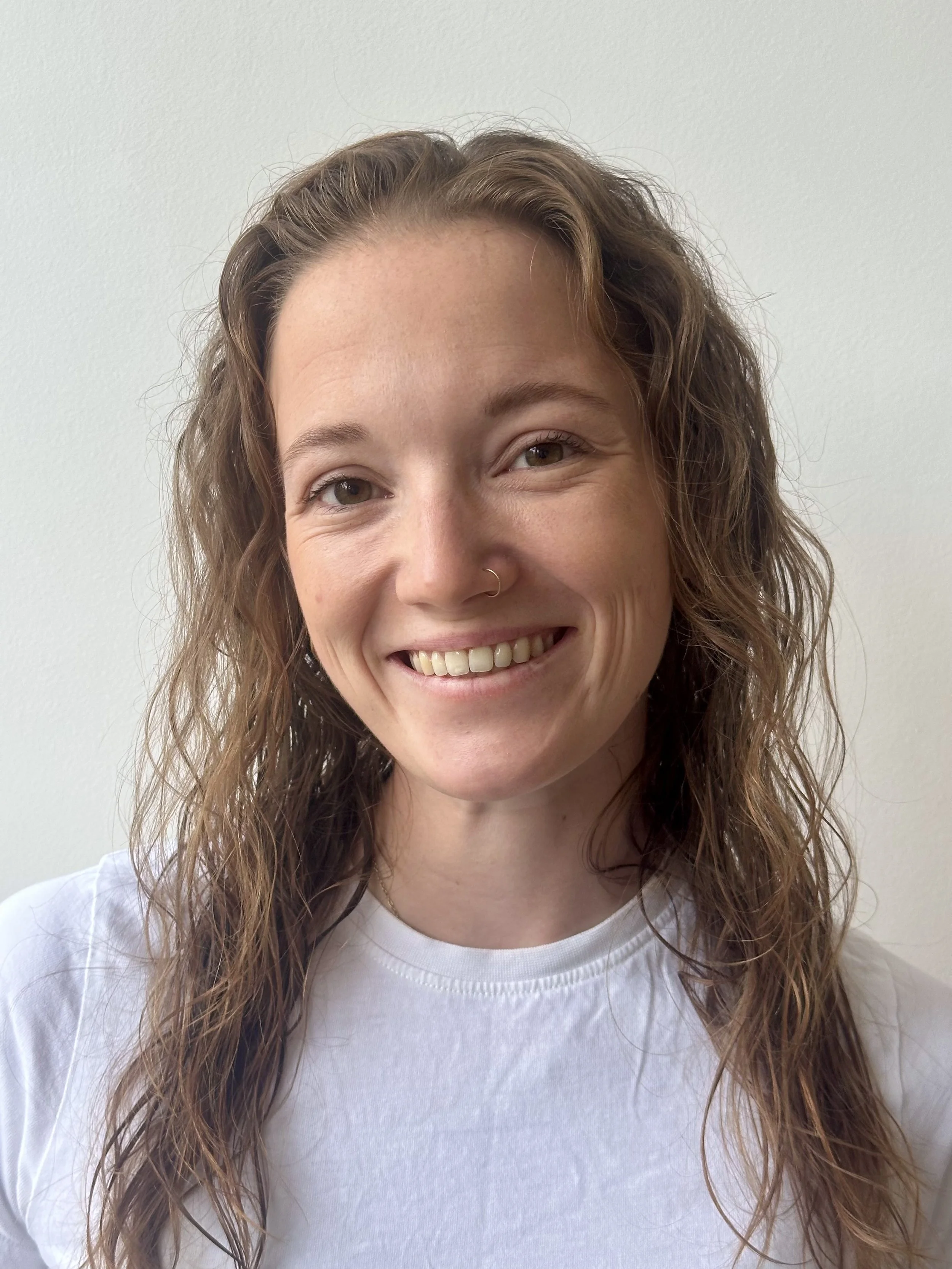
Gemma
Gemma Capewell, Occupational Therapist
What Can PDA Look Like?
Every child is different, and demand avoidance can have many causes, so this is a guide rather than a checklist. Parents of children with a PDA profile often describe some of the following:
Appearing sociable on the surface, but finding it hard to cope with expectations in relationships
Needing to feel in control, and finding it hard to be told what to do, including by themselves
Rapid mood changes, often in response to perceived pressure
Being highly imaginative, often with strong role play and a fascination with people
Struggling more at home than at school, or the reverse, with a child who holds it together in one place and falls apart in another
Resisting or avoiding everyday demands such as getting dressed, brushing teeth, coming to the table or leaving the house, even for things the child would usually enjoy
Becoming anxious, distressed or explosive when they feel pressure, and sometimes shutting down
Using social strategies to avoid demands, such as distracting, negotiating, making excuses, changing the subject, or taking on a role or character
Book a free, informal 15 minute consultation today to see if this the right thing for you. If it’s not, we’ll point you in the right direction.
Supporting You and Your Family
Our multidisciplinary team includes clinical psychologists, family therapists, child and adolescent psychotherapists, psychiatrists, educational psychologists, speech and language therapists and occupational therapists. Depending on your family's needs, support may include:
Helping you to understand your child's anxiety and what sits behind demand avoidance
Practical, tailored strategies for home, with your clinician working alongside you
Family therapy to improve communication and ease relationships between parents, children and siblings
Psychological therapy for your child and support for their emotional wellbeing
Educational psychology to understand your child's needs at school and what to ask for
Occupational therapy and speech and language therapy for sensory, communication and regulation needs
We see children, teenagers and young adults up to age 25, in person in West Hampstead or online.


Working with School, and Looking After Yourself
School
School can be especially difficult for children with a PDA profile, as it is full of demands, rules and expectations. Many children hold it together all day and fall apart at home, which can make it hard for teachers to see the full picture. Parents often find it helpful to:
Share what you know about your child's anxiety, triggers and what helps, in writing if possible
Ask the school to consider low-demand and flexible adjustments, a trusted adult, quiet spaces and less public correction
Ask for a meeting with the SENCo and agree a plan, with regular reviews
Use an assessment report, or an educational psychology assessment, to show what your child needs
Looking after yourself
Living with high levels of stress, unpredictability and often judgement from others takes a toll. Many parents tell us they feel exhausted, isolated and anxious, and that they are blamed. You deserve support too.
Be kind to yourself, as this is genuinely hard.
Connect with other parents who understand, either in person or online.
Protect time to rest and recharge, even if it is short.
Ask partners, family and friends for practical help, and explain what works.
Tell your GP or contact us if you are feeling low or overwhelmed.
Many parents of autistic children are also neurodivergent themselves, and recognising this can help you to understand your own needs.
-
Most commonly, Pathological Demand Avoidance. Some people prefer terms such as Extreme Demand Avoidance or Pervasive (or Persistent) Drive for Autonomy.
-
PDA is not a standalone diagnosis in UK guidance. It is widely understood as a profile within autism. If your child has a formal assessment, it will be for autism, and clinicians may describe demand avoidance as part of their findings. Professionals do not all use the same terminology.
-
No. We can help you understand your child and put practical support in place, whether or not a diagnosis has been made.
-
For children with a PDA profile, avoidance is usually driven by anxiety and a need to feel safe and in control, rather than by a wish to be defiant. That is why the approach needs to be different.
-
No. Safety, health and wellbeing still matter. Low-demand approaches are about choosing what really matters, lowering pressure and finding collaborative ways to meet needs, so that your child can cope with the demands that remain.
-
Not always. Demand avoidance can have different causes, so we begin by understanding your child and tailoring support accordingly.
-
Yes. We encourage all the adults who care for your child to be involved wherever possible, in person or online.
-
Yes. Our clinicians can help you to understand your child's needs at school and what to ask for, and an educational psychology assessment can provide a clear report to share with their school.
-
This is very common. We are happy to talk through how to introduce the idea in a low-pressure way, and parent-only sessions may be a good place to start.
-
Yes. Our free 15-minute consultation is an informal chance to ask questions and find the right support for your family. Book here
PDA - Frequently Asked Questions
You do not need to work this out alone
Book a Free 15-Minute Consultation
Call: +44 7706 192412
Email: info@westhampsteadclinic.com
Where we are: Ground Floor, Unit 8 Hampstead West, 224 Iverson Road, London NW6 2HL. Online appointments are also available.
Opening hours: Monday to Friday 9am to 6pm, Saturday 10am to 4pm.